
On this page
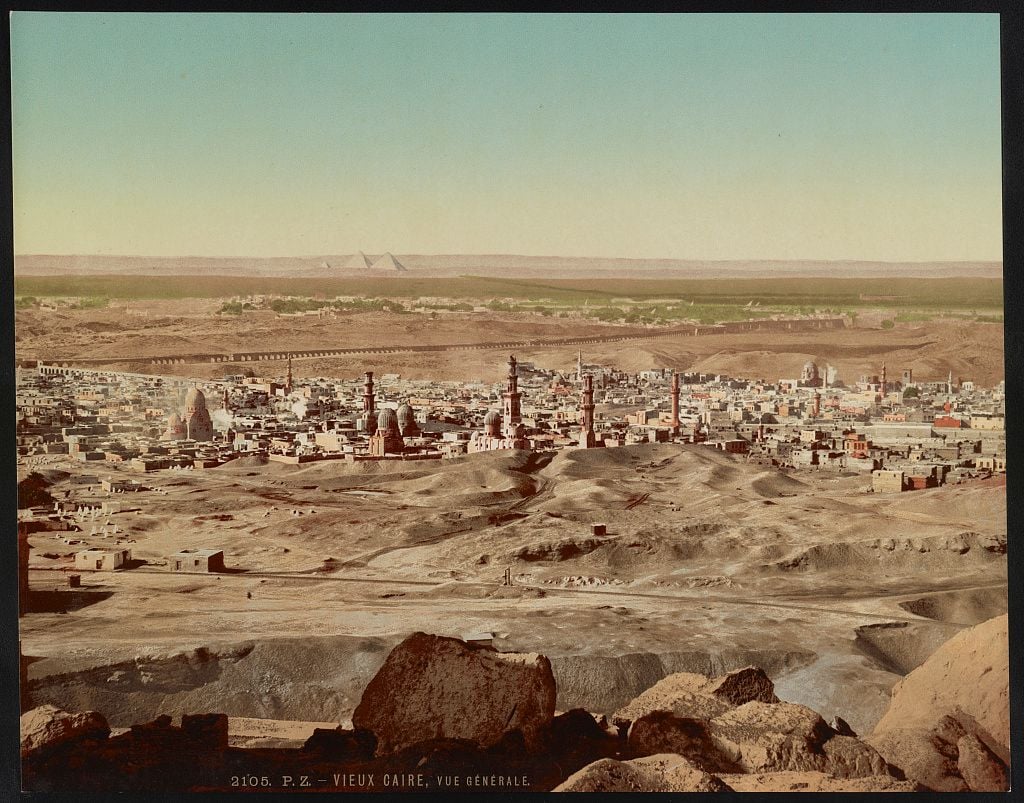
This is a historical companion to my reading notes on A Silent Patriarch. In 1936, while still known as Father Mina, the future Pope Kyrillos VI took up residence in an abandoned windmill at Moqattam, near Cairo. It became an important place in his life of prayer.
He was looking for solitude, but he was not far from Cairo. In time, people would come to the windmill, bringing both their needs and their help.
The lease for the windmill
Daniel Fanous’s doctoral research examines the accounts of Father Mina’s move and the surviving lease. The lease is dated June 23, 1936. It allowed him to live alone for worship and set a nominal monthly rent, while keeping the property under government ownership.
Accounts differ about how Father Mina received permission to move in. Fanous compares them with the surviving lease, which gives us a date and the terms under which he could live there.
Solitude and the people nearby
The windmill needed repairs. According to the accounts Fanous examines, people who discovered Father Mina’s living conditions helped make the structure habitable. A roof, door, and staircase were added. The interior eventually included space for daily needs below and a small worship area above.
Father Mina went there to live alone, yet the windmill also became a place where people visited, helped with repairs, and joined in worship. Solitude and care for others were both part of his life there.
A place within a longer life
The windmill years preceded his public ministry as patriarch by more than two decades. They help explain why accounts of Kyrillos VI return so often to his monastic life. Leadership was a later responsibility in a life already shaped by prayer.
The windmill story brings prayer and service close together. Father Mina sought a quiet place to worship, and people found their way to him there. That relationship between prayer and other people continued into his later ministry.
Sources and further reading
Daniel Fanous, A silent patriarch: Kyrillos VI (1902–1971), life and theological legacy
Explore the Saint Pope Kyrillos VI collection
Image credits
Photographs from the sources credited below. Images have not been retouched; some are cropped for display.
Featured image: Old Cairo around 1890, a photochrom published by Photoglob Co. It shows the historical setting, not Father Mina’s windmill. Library of Congress, public-domain image.